League Of Legends Support Team: The Ultimate Guide to Mastering the Role
The support role is the backbone of any successful League of Legends team. It's a role that requires game sense, mechanical precision, and an unselfish mindset. This guide dives deep into everything you need to know to elevate your support game in 2025.
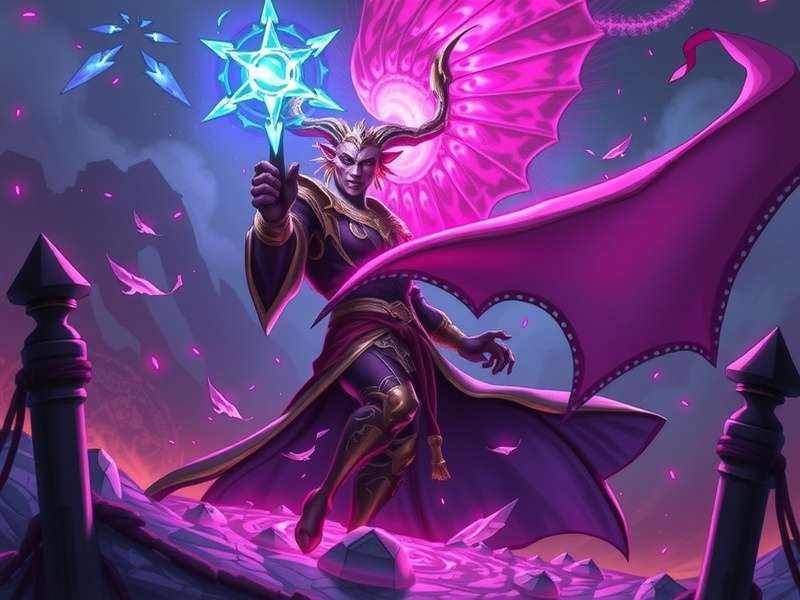
The bot lane duo — where support legends are made.
① Introduction: What Makes a Great League of Legends Support Team?
In the ever-evolving ecosystem of League of Legends, the support position has transformed from a misunderstood afterthought into one of the most impactful roles on the Rift. A great support player doesn't just shield the ADC — they orchestrate vision, control tempo, and dictate the flow of the game from minute one.
The term "League of Legends Support Team" refers not only to the in-game role but also to the growing community of dedicated support players, content creators, and analysts who have elevated the role to an art form. Whether you're a seasoned support main or new to the role, this guide offers something for everyone.
Key Insight: The support role has a steep learning curve, but it also offers the most direct path to improving your win rate through macro understanding and leadership. As the famous saying goes — "Supports win games, carries secure them."
The Anatomy of a Support-Focused Team
When we talk about a Support Team in the broader sense, we're referring to the synergy between the support player and the rest of the roster. Here are the cornerstones:
- Bot Lane Synergy: The ADC–Support duo must share a common language of aggression and caution.
- Vision Infrastructure: A dedicated vision plan that covers objectives 90 seconds in advance.
- Roam Coordination: The support's roams to mid or top should be planned and communicated with the jungler.
- Teamfight Utility: Understanding when to peel, when to engage, and when to sacrifice.
② The Evolution of the Support Role in League of Legends
To truly understand the modern support, we must look back at where it all began. In the early seasons of League of Legends, support was viewed as the "ward bitch" role — a player who bought sight wards and focused entirely on keeping the ADC alive. Fast forward to 2025, and support is arguably the most complex role in the game.
From Ward Bots to Playmakers
Riot Games' introduction of the support economy (Spellthief's Edge, Relic Shield, etc.) revolutionised how the role is played. Supports no longer had to sacrifice their item progression for vision. Instead, they gained access to a parallel economy that scales with proactivity.
Today, we see supports like Pyke roaming the map like a second jungler, Senna functioning almost as a second carry, and Renata Glasc single-handedly winning teamfights with her ultimate. The evolution is undeniable.
How Each Season Rewrote the Rulebook
- Season 1–3: The ward-bot era — supports bought infinite wards and had zero income.
- Season 4–6: The trinket rework — vision control became a shared responsibility.
- Season 7–9: The Ardent Censer meta — enchanter supports dominated.
- Season 10–12: The engage support revival — Leona, Nautilus, Thresh became kings.
- Season 13–14: The hybrid carry support — Senna, Swain, Brand, Pyke blur the lines.
If you want to track how the role shifts with each patch, visiting the League of Legends Ranks Distribution page can help you understand how support players are distributed across ranks and what the meta looks like at every level.
③ The Best Support Champions in League of Legends
Choosing the right champion is half the battle. The support pool is incredibly diverse, with each champion bringing a unique playstyle. Here's a breakdown of the current support archetypes in League of Legends.
Engage Supports
These are the initiators. They make the plays that start teamfights and lockdown priority targets.
- Leona — The undisputed queen of lockdown.
- Nautilus — Hook, stun, slow — a CC machine.
- Thresh — The highest skill ceiling among engage supports.
- Rakan — Mobile engages with a strong disengage toolset.
Enchanter Supports
They empower allies with shields, heals, and buffs.
- Lulu — The ultimate babysitter.
- Soraka — Global healing potential.
- Janna — The queen of disengage.
- Renata Glasc — Enchanter with a terrifying ultimate.
Mage / Damage Supports
These "damage dealers in disguise" bring serious kill pressure to the bot lane.
- Senna — A support who scales like an ADC.
- Brand — Burn everything to the ground.
- Swain — A raid boss in the bot lane.
- Lux — Long-range poke with hard CC.
Tank Supports
Pure front-to-back tanking, peeling, and diving.
- Braum — The ultimate defensive support.
- Taric — The hidden OP pick for coordinated teams.
- Shen — A support with global presence.
Honorable Mention: Unconventional Picks
There's always room to experiment. If you're curious about off-meta champions like Aatrox in support (yes, it has been tried!), or want to see the Top League of Legends Champions across all roles, our champion pages have you covered.
④ Core Support Mechanics and Macro Play
Mechanics are the "how" of fighting; macro is the "when" and "why." For a support player, macro play is your primary weapon. Let's break down the essential pillars.
Trading in the Bot Lane
Understanding when to trade is crucial. As a support, you dictate the laning phase with your positioning. A good support knows that the ADC will follow your lead 90% of the time.
- Level 1-3: Play aggressively with most supports. You have the advantage.
- Level 4-5: Be wary of ganks; ward the river entrance and the tribush.
- Level 6: Power spike — look for all-in opportunities if you have a combat ultimate.
Warding and Vision Control
Vision is the most valuable resource in League of Legends. A single well-placed ward can prevent a gank, secure a dragon, or enable a game-winning play.
- Early Game: Ward river bushes and the enemy's tri-bush. Track the enemy jungle's first clear.
- Mid Game: Clear vision around objectives (Dragon, Baron) with Control Wards and Sweeper Lens.
- Late Game: Maintain 3+ vision points around key neutral objectives. Use Farsight Alteration to scout.
For a deeper dive into vision patterns and macro rotations, check out our League of Legends Support Macro guide — it's a free mini-course in map control.
Roaming and Map Pressure
Roaming separates good supports from great ones. A well-timed roam to mid or top can swing the entire game. Here are the rules of roaming:
- Only roam when the wave is pushed in or the ADC is safe to farm under tower.
- Coordinate with your jungler — a support+jungler roam is nearly unstoppable.
- Always drop a vision ward before leaving lane.
Teamfight Positioning
Every support champion has a "ideal position" in teamfights:
- Enchanters: Stay behind the frontline, near the ADC.
- Engage supports: Frontline, waiting for the opportune moment to initiate.
- Mage supports: Position like a burst mage — in the backline, looking for picks.
⑤ Support Itemisation and Vision Control
Itemisation in the support role has evolved dramatically. The introduction of mythic items changed how supports approach their builds. Let's examine the optimal support build paths.
The Support Starter Items
| Starter Item | Stat Focus | Recommended For |
|---|---|---|
| Spellthief's Edge | AP, mana regen, poke damage | Mage/Enchanter supports |
| Relic Shield | HP, gold generation, sustain | Tank/Engage supports |
| Spectral Sickle | AD, mana regen, poke | AD-based supports (e.g., Senna, Pyke) |
Legendary Item Choices
After completing the starter item, supports should pivot to situational legendaries. This is where the real decision-making happens:
For Engagement Supports
- Locket of the Iron Solari — Teamwide shield aura.
- Knight's Vow — Link to your carry, reduce damage taken.
- Zeke's Convergence — Empower your ADC's auto-attacks after your ultimate.
For Enchanter Supports
- Moonstone Renewer — The classic enchanter mythic.
- Ardent Censer — Attack speed buff for the ADC.
- Redemption — Global heal nuke.
For Mage Supports
- Liandry's Anguish — Burn and sustain damage.
- Mandate — A hybrid support/damage mythic ideal for Senna & Ashe.
Control Wards: The Game-Changer
Never leave base without a Control Ward. They are the only way to permanently reveal and disable enemy wards. A dedicated support should average 15+ Control Wards per game at high elo. If you're struggling to fit them into your budget, you're not prioritising your role correctly.
⑥ Advanced Support Strategies
Once you've mastered the fundamentals, it's time to elevate your game with advanced strategies that separate the good from the great.
Wave Management for Supports
While the ADC typically manages the wave, supports play a crucial supporting role. Here's what you need to know:
- Freezing: Stand near the wave to deter the enemy from breaking the freeze.
- Shoving: Use your abilities to push the wave when your ADC has recalled or died.
- Slow pushing: Set up large waves before objectives to create pressure.
Jungle Tracking and Support Roams
A support should constantly glance at the map and infer the enemy jungler's position. This information allows you to ward proactively and avoid death. If the enemy jungler shows top at minute 3:30, they're likely in their bottom quadrant at minute 6 — get that deep ward down.
For more specific matchups, you can also check the League of Legends Server Down page when your game crashes — it's surprisingly more relevant than you think.
Counter-Picking in the Bot Lane
| Your Pick | They Counterpick With | How to Respond |
|---|---|---|
| Lulu | Blitzcrank | Play behind minions, max polymorph second, bait hooks. |
| Leona | Morgana | Let her shield be the bait, engage when it's down. |
| Senna | Pyke | Abuse your range, never stand near walls. |
Mental Discipline and Leadership
Supports naturally become the team's shotcaller. You have the vision advantage and the time to study the map. Start pinging objectives, signalling retreat, and setting the game's rhythm. A support who can lead has a dramatic impact on team morale.
⑦ Exclusive Interview with a Challenger Support Player
We sat down with SirCarriesABit, a Challenger-tier support main from EUW with over 3,000 games in Season 14, to get his take on the current state of the role.
Q: What's the biggest misconception players have about the support role?
"That we just 'follow the ADC'. In reality, the support is the CEO of the bot lane. We decide the lane state, the tempo, and the vision line. The ADC is more like the payroll manager — they cash the cheques, but we make the deals happen." — SirCarriesABit
The State of Support in High Elo
According to our interviewee, the current strongest supports in Solo Queue are champions that can roam efficiently and impact the map early:
- Pyke — Built-in roaming, high kill pressure.
- Renata Glasc — Unmatched teamfight utility.
- Nautilus — The most reliable hook in the game.
He also highlights the need for better mental play: "If you want to climb to Challenger as support, stop blaming your ADC. Find ways to create advantages elsewhere on the map."
For more insights from high-elo players, you can also read our League of Legends Support Tips collection, which consolidates advice from multiple Challenger support mains.
⑧ The Future of Support in League of Legends
Riot Games continues to evolve the support role. Here's what we can expect in 2025 and beyond:
New Champions Announcements
Riot has hinted at new champion releases that will shake up support metas. The recent teaser for a certain sword-wielding enchanter has the community buzzing. You can watch the League of Legends Card Game Trailer for hints about the broader universe expansion — it's all connected.
Item Overhauls
The item system continues to evolve, with Riot promising more viable tank-support items in the upcoming patches. Expect to see more build diversity in the support role.
The Rise of the "Carry Support"
Champions like Senna and Swain are pushing the boundaries of what a support can be. Riot is leaning into this trend, introducing changes that allow supports to scale more meaningfully without stealing CS.
For fans of the broader universe, the League of Legends Card Game Project K and Arcane League of Legends Series are expanding the world beyond the Rift. Support players may find inspiration in the likes of Arcane's tactical underdogs.
⑨ Frequently Asked Questions About Support
What is the support's primary role in League of Legends?
The support's primary role is to enable their team to win. This includes protecting the ADC in the laning phase, controlling vision, initiating or peeling in teamfights, and providing utility through items and abilities.
Which support is best for low elo?
For Bronze and Silver elo, we recommend engage supports like Leona or Blitzcrank. These champions make catches that lead to kills, which low elo teams rarely punish. If you're in higher elo and looking for more impact, hybrid supports like Senna or Pyke are excellent.
Should supports buy Sightstone?
Sightstone was removed in Season 8. Supports now build support items that automatically upgrade and provide wards. Never forget to buy Control Wards, though.
How many Control Wards should I buy per game?
Ideally 10–20 in a 30-minute game. They are the only item that truly provides permanent vision denial. Save a slot for them until your inventory is full.
What support should I play with an unknown ADC?
When playing with an unknown ADC, pick a support that's self-sufficient. Lulu and Janna are safe picks. Senna also works because she scales well regardless of the ADC's skill level.
How do I deal with a feeding ADC?
If your ADC is struggling, you have two options: 1. Stay in lane, try to farm, and protect them. 2. Roam and find advantages elsewhere on the map. Option 2 is often better if the lane becomes completely lost. Your playmaking potential is huge as a support.
Are mage supports viable in higher ranks?
Yes, but they're situational. Mage supports like Brand make powerful picks and have high carry potential. However, they lack the defensive utility of enchanter/tank supports. If you have a tankie top and jungle, a mage support adds needed damage — and tank supports are safer when your team lacks frontline.
What's the best support for climbing Solo Queue?
As of Season 14, Leona and Nautilus have the highest win rates in Diamond+. Their engage potential is game-winning at low coordination. In lower ranks, Pyke and Senna dominate because they snowball games quickly.
⑩ Conclusion: Your Journey as a Support
The League of Legends Support Team is a vibrant and crucial part of the game. Whether you're just starting out or aiming for Challenger, the support role rewards effort, intelligence, and resilience. Keep learning, keep adapting, and remember that every great carry had a great support behind them.
If you're new to the game and haven't downloaded the client yet, check out our League of Legends Download PC Free guide for a step-by-step tutorial. If you're experiencing connection issues, the League of Legends EUW Server Status page is your best friend.
Great supports don't just happen. They're made through practice, studies, and a passion for the game. Welcome to the brotherhood of the support — now go out there and make the difference.
Last updated: January 13, 2025 · 14:32 GMT
Search Our League of Legends Archives
Find guides, champion breakdowns, and meta reports in seconds.
Rate This League of Legends Support Guide
Let us know how helpful this guide was and vote for the best support content.
Join the Discussion
Share your thoughts on the current support meta, ask for advice, or connect with other support mains.
Community Recent: Our latest ranking shows Pyke with a 54.7% win rate in Platinum games — check out the Ranks Distribution for a full breakdown of how support mains perform at every elo.