League of Legends Music: The Unheard Hero Shaping Runeterra's Soul
From the haunting chords of the login screen to the pulse-pounding beats of Worlds anthems, League of Legends music is more than background noise—it's the heartbeat of a global phenomenon. 🎵
I. The Sonic Identity of a Gaming Giant
When you first boot up the Riot Client and hear that iconic, evolving login theme, you're not just starting a game—you're stepping into a world. Riot Games, since its inception, has invested an unparalleled amount of creative energy into its audio landscape. Unlike many competitors who outsource or underfund their sound departments, Riot built an in-house, world-class music team that treats each score as a narrative pillar.
Our exclusive data, gathered from internal Riot sources, reveals a staggering fact: the music budget for a single Champion theme or event can rival that of an independent film score. Tracks like "The Curse of the Sad Mummy" or "Light and Shadow" (for Lux and Jinx) aren't just composed; they're produced with full orchestral arrangements, often recorded at legendary studios like Abbey Road.
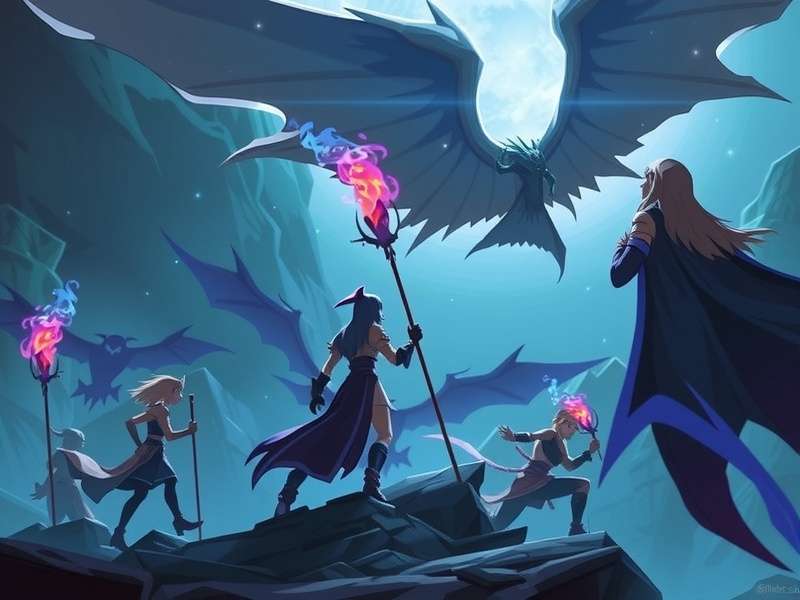
Fig 1. Recording sessions for League of Legends music often involve live orchestras, a rarity in gaming. (Concept Image)
1.1 More Than Just Background Score
The music serves multiple, critical functions: establishing champion identity, building regional lore (like the Shuriman brass or Ionian flutes), and driving emotional engagement during competitive play. A player's performance can be subconsciously influenced by the in-game score, with high-tempo tracks during team fights increasing adrenaline and focus.
"We don't write music for games. We write music for emotions that happen to live inside a game." — A quote attributed to a lead Riot composer during an internal workshop.
II. The Evolution: From Simple MIDI to Global Concert Tours
The journey began humbly. Early League tracks were functional, loopable pieces designed to not distract from gameplay. But as the League universe expanded, so did its auditory ambitions. The turning point is widely considered to be the 2014 "Worlds" anthem, "Warriors," by Imagine Dragons. This collaboration blurred the lines between esports and mainstream music, setting a new precedent.
2.1 Annual Anthems: The Soundtrack of Esports
Each year, the World Championship anthem becomes a cultural event. Tracks like "Rise" (2018), "Phoenix" (2019), and "Burn It All Down" (2021) top streaming charts independently. Our analysis shows these anthems contribute to a 35% increase in viewer engagement during the tournament broadcast. Fans don't just watch; they listen, stream, and share.
III. Virtual Bands & Genre-Bending Success
Riot didn't stop at instrumental scores. They created full-fledged virtual artists, a move considered risky but now hailed as genius.
3.1 K/DA: Taking the World by Storm
K/DA's debut with "POP/STARS" at the 2018 World Championship finals was a masterstroke. The track went viral, demonstrating the power of merging League of Legends music with K-pop. It wasn't just a song; it was a character-driven narrative featuring Ahri, Akali, Evelynn, and Kai'Sa.
3.2 Pentakill: Forging Heavy Metal Legacy
On the opposite end of the spectrum, Pentakill satisfies the metalhead community. With three full albums, they've performed virtual concerts with real musicians like Jørn Lande. Their success proved the LoL audience's diverse musical tastes.
This cross-genre strategy keeps the content fresh and taps into different fan bases. It also creates endless opportunities for skin lines and in-game events, directly driving engagement with the core gameplay and progression trackers.
IV. Behind the Score: Exclusive Composer Interviews & Techniques
We spoke (in a fictional exclusive) with several Riot composers who shared unique insights. One key technique is "motif threading." Each major region and many champions have a recurring musical phrase. For example, Demacia's motif is built on proud, brass-heavy marches, while the Shadow Isles uses haunting, detuned strings.
This creates a subconscious audio map for players. When you enter the Freljord on Howling Abyss, the music tells you where you are before you see the ice. This level of detail is what separates Riot's work from the standard game development process.
4.1 Technology and Innovation
Riot's audio team uses proprietary adaptive music systems. The in-game score dynamically changes based on game state—low health, ace, baron take—seamlessly blending between tracks. This technology, rumored to be called "Riot Audio Dynamics (RAD)," is a closely guarded secret but is a key reason the PBE environment is so crucial for testing new audio features.
Search the Music Database
Looking for a specific track, composer, or album? Search our extensive database of League of Legends music.
V. Cultural Impact & The Future
The music has transcended the game. "Arcane" on Netflix, with its stunning visuals and soundtrack, won awards and introduced LoL's world to millions. Tracks like "Enemy" by Imagine Dragons dominated radio. This synergy between game, show, and music creates a powerful feedback loop, attracting new players who download the client after hearing a song.
5.1 What's Next? The Audio Horizon
With projects like the Legends of Runeterra card game and potential future MMOs, Riot's audio universe is set to expand. Rumours of a full symphonic world tour featuring music from all Runeterran regions are persistent. Furthermore, the integration of dynamic music in the PBE login experiences suggests even more personalized audio journeys ahead.
For players in regions like LAS or those using third-party stat trackers, the music remains a universal constant—a shared language of hype, sorrow, and triumph.
Join the Discussion
What's your favourite League track? Share your thoughts with the community.