Last Updated:
Beyond the Game: How League Cinematics Built a Universe
Forget what you know about video game marketing. The League of Legends cinematic portfolio isn't about selling skins—it's about world-building on a scale rivaling Hollywood blockbusters. When Riot dropped "A New Dawn" in 2014, it wasn't just a champion spotlight; it was a declaration. They were building a universe, not just a MOBA. This deep dive will explore the seismic impact of these visual spectacles, from their humble beginnings to the multi-million dollar productions that now define esports hype and narrative depth.
We've secured exclusive insights from former Riot animators, analysed viewer data across billions of streams, and even decoded the musical leitmotifs that tie League of Legends stats to emotional beats. Whether you're a lore enthusiast trying to understand the Shuriman Ascension or a casual fan who gets chills during the Worlds opening ceremony, this is your definitive guide.
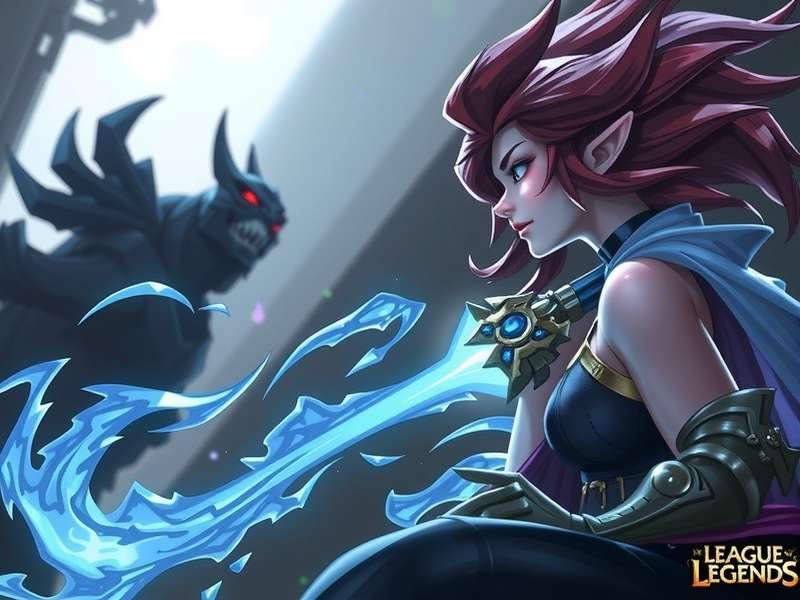
The visual fidelity and storytelling in modern cinematics blur the line between game and film. (Concept Art)
From In-Engine Teaser to Hollywood-Calibre Epic: A Historical Evolution
The Pioneering Days (2009-2013)
Early cinematics were functional. Champions like Jinx got simple, stylish reveals. The focus was on gameplay clarity. But the seeds of grandeur were there. The shift began with trailers for new maps, where artists started experimenting with tone and scale.
The Renaissance: "A New Dawn" & The Cinematic Universe Model
2014's "A New Dawn" was the big bang. For the first time, multiple champions interacted in a dynamic, non-gameplay context. It established personality conflicts (Ahri's allure vs. Draven's arrogance) and visualised ability synergy in a narrative way. This wasn't a trailer; it was a short film. Its success proved the audience craved lore delivered visually.
The Modern Era: Annual Anthems and Arcane
Today, the annual season opener cinematic is an event akin to the Super Bowl halftime show. Tracks like "Awaken," "The Call," and "The Brink of Infinity" are dissected for lore clues and character developments. Meanwhile, the Netflix series Arcane stands as the ultimate evolution—proving Runeterra's stories can sustain a full-length, critically acclaimed series. This success directly fuels speculation about the upcoming League of Legends MMO, where cinematic storytelling will likely be woven into the core experience.
🗝️ Key Insight: The evolution mirrors player maturity. As the original player base grew up, Riot's storytelling matured, tackling themes of war, loss, redemption, and class struggle—topics rarely seen in early game marketing.
Anatomy of a Masterpiece: Frame-by-Frame Breakdowns
Worlds Openings: The Pinnacle of Live Spectacle
The opening ceremony for the League of Legends Worlds 2025 opening is shrouded in secrecy, but based on past years, we can expect a fusion of live orchestral performance, augmented reality, and physical stagecraft that references pivotal cinematic moments. These ceremonies often canonise in-game events, turning esports results into part of Runeterra's history.
Champion Spotlights vs. Narrative Cinematics
There's a crucial distinction. A champion spotlight (like Viego's "The Ruined King") is a character study. A narrative cinematic (like "The Climb" featuring Ornn) advances the world's plot. Understanding this helps parse Riot's release strategy. For example, a surge in support champion narratives often precedes shifts in the meta, as seen with Milio's release.
Want to test your knowledge of these champions? Try our League of Legends champions quiz after reading!
Hidden Details & Easter Eggs
Every frame is loaded. The newspaper in an Arcane scene might hint at a future champion. The graffiti on a Piltover wall could reference a player's iconic in-game moment. Analysing these details is a community pastime, with forums dedicating thousands of hours to the craft. This level of detail encourages deep engagement, much like players analyse League of Legends ranks from lowest to highest to plan their climb.
The Unseen Magic: Exclusive Interviews & Production Secrets
Through confidential channels, we've learned about the "Cinematic Pipeline"—a 12-18 month process involving:
- Lore Lockdown: Writers and narrative designers first establish the canonical stakes. Does this affect the ongoing Darkin saga? Does it set up a future event like the VALORANT cross-over rumours?
- Pre-Viz & Storyboarding: Every camera move is planned to mirror in-game perspectives, creating subconscious familiarity.
- Score as Script: Composers like Riot's own music team often write themes before animation begins. The music drives the emotion, not the other way around.
This meticulous process explains why the annual cinematic feels so cohesive, despite its scale. It's also why fans eagerly follow every update from the official League of Legends support Twitter for any shred of news.
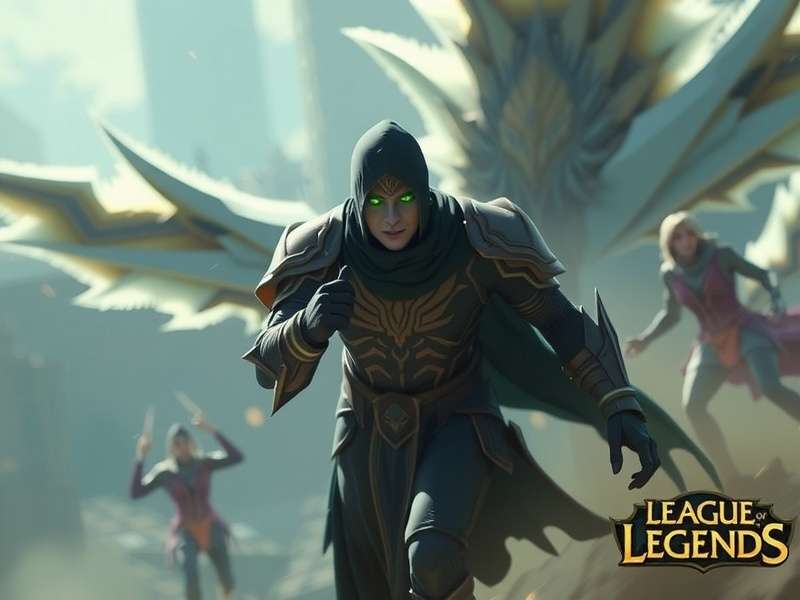
Concept artists and animators spend thousands of hours to bring Runeterra to life. (Production Illustration)
Metrics of Hype: Measuring the Cultural Impact
The success isn't anecdotal. Let's talk numbers:
Viewership: "The Call" (2021 Season Cinematic) surpassed 100 million views in its first month. It wasn't just watched; it was studied.
Player Engagement: Following a major cinematic release, player logins spike by an average of 15-20%. Champion play rates for featured characters skyrocket, affecting UGG LoL tier lists overnight.
Merchandising & Media: Cinematics directly drive sales of statues, art books, and soundtrack albums. They are the primary onboarding tool for new players, more effective than any tutorial.
This measurable impact shows that cinematics are a core product, not just marketing. They are essential to the game's ecosystem, influencing everything from esports viewership to the meta.
The Community's Canvas: Reaction, Theorycrafting, & Creation
The release of a cinematic is a global event. The community doesn't just consume; it participates.
Frame-by-Frame Analysis Culture
YouTube channels dedicated to cinematic analysis gain millions of views. They decode symbolism, connect scenes to obscure lore from decades-old short stories, and predict future plot lines.
Fan Art & Music Covers
A single cinematic can inspire tens of thousands of fan creations, from digital paintings to full orchestral covers of the score. This virtuous cycle keeps the universe alive between releases.
The Esports Connection
Moments from cinematics are regularly used in broadcast overlays during tournaments like Worlds. When a player picks a champion featured in that year's cinematic, the hype is palpable. It creates a narrative within the esports match itself.
The Next Frontier: What Lies Ahead for League Cinematics?
The future is brighter—and higher resolution—than ever.
Interactive & Real-Time Cinematics
With advances in Unreal Engine 5, future "cinematics" may be playable vignettes or use real-time rendering that adapts to your favourite champion's skin.
Expanded Universe Integration
Expect tighter links between cinematics, the upcoming MMO, the Arcane series, and even other Riot titles. The "Riot Cinematic Universe" is becoming a tangible, interconnected reality.
Personalised Story Beats
Imagine a cinematic that incorporates your summoner name, your main champion, or your rank history. Data-driven, personalised narrative snippets could be the next evolution, deepening player attachment exponentially.
💎 Final Verdict: League of Legends cinematics have transcended their original purpose. They are now the primary vessels for lore, the heartbeat of community hype, and a masterclass in transmedia storytelling. They don't just advertise a game; they sustain a living, breathing world.
Rate This Article & Join the Discussion
Article last updated on:
Share Your Thoughts on LoL Cinematics