League Of Legends Champions Lore: The Untold Stories Behind Runeterra's Mightiest Legends
Beyond the Summoner's Rift lies a world of immense depth and narrative richness. The champions of League of Legends are not mere combatants; they are heroes, villains, and complex characters woven into the grand tapestry of Runeterra. This definitive guide pulls back the curtain on their epic origins, motivations, and the world-shaping events that define them.
For over a decade, Riot Games has meticulously crafted one of the most expansive universes in modern gaming. From the noble halls of Demacia to the chaotic, chem-tech soaked lanes of Zaun, each champion's story is a piece of a larger puzzle. Understanding this lore doesn't just enhance your appreciation for the game—it transforms how you play, who you root for, and how you connect to the ever-evolving narrative. Whether you're a veteran lorehound or a newcomer curious about the Arcane League of Legends Soundtrack that took the world by storm, this is your gateway.
1. The Foundation: Understanding Runeterra's Cosmology
Runeterra is a world born from primordial magic and cataclysmic conflict. Its creation myth involves the World Runes, artifacts of unimaginable power that shaped the very continents. The misuse of these runes led to the Rune Wars, a catastrophic event that still scars the land and its people. This historical trauma is key to understanding modern factions like Demacia's deep-seated fear of magic.
Lore Insight: The recent updates to champion biographies and the introduction of the "Universe" website represent Riot's commitment to a cohesive, novel-quality narrative. It's a living canon, constantly refined and expanded, much like the Riot Download client that delivers new stories alongside gameplay updates.
Magic in Runeterra is not a uniform force. It manifests differently across regions: as celestial magic in Targon, spirit magic in Ionia, hextech in Piltover, and volatile chemtech in Zaun. This regional diversity directly influences champion abilities and their personal journeys. For instance, the tragic backstory of Vi and Jinx, popularized by the Arcane series, is deeply rooted in the socioeconomic divide between Piltover and Zaun—a divide powered by contrasting magical technologies.
1.1 The Importance of Narrative in Game Design
Riot's "Champion Insights" blogs reveal that narrative designers work hand-in-hand with gameplay designers from a champion's inception. A champion's kit—their abilities—are designed to reflect their personality and story. Sion's relentless, post-death pushing power embodies his undead, unstoppable war-machine lore. Similarly, Kindred's dual-ability kit perfectly captures the folkloric personification of death: Lamb offering a peaceful end, Wolf a violent one.
This synergy extends to in-game events and skin lines. The "Sentinel of Light" event wasn't just a new game mode; it was a major narrative arc involving dozens of champions fighting against the Black Mist. Keeping up with these stories can be as engaging as mastering League Of Legends Builds And Runes for competitive play.
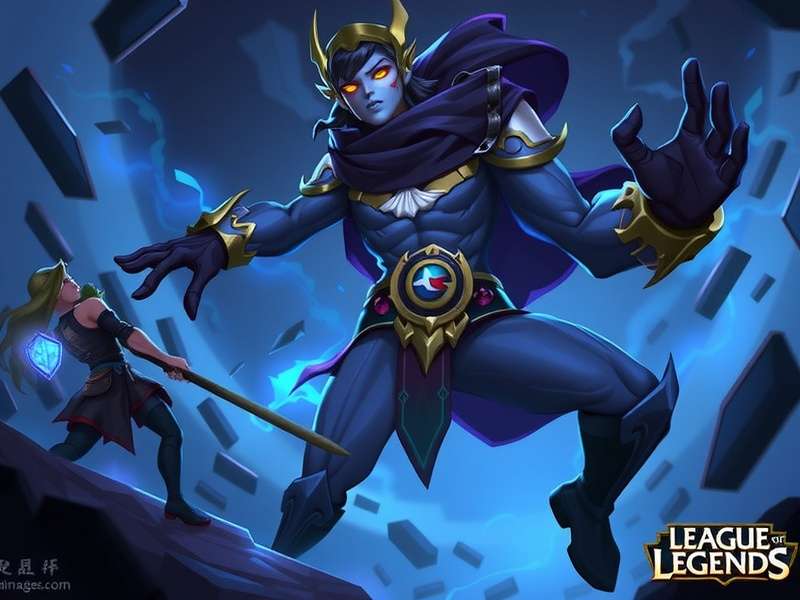
Champion Spotlight: Ahri, The Nine-Tailed Fox Ionia
Ahri's lore is a poignant tale of identity and redemption. Born as a vastaya—a magical race native to Runeterra—with a deep connection to the spirit realm, she initially used her innate charm to consume the life essence of mortals, unaware of the tragedy she caused. A pivotal moment of clarity, where she felt the memories and soul of a dying man, sparked her journey towards understanding her power and seeking a way to exist without harming others.
Her story is uniquely Ionian, dealing with themes of balance, spirit magic, and the consequences of wielding power without wisdom. It's a narrative that resonates far beyond the game, contributing to her iconic status and powerful League Of Legends Champions Theme music.
2. A Continent Divided: The Key Regions of Runeterra
Each region in Runeterra possesses a distinct culture, philosophy, and relationship with magic, which in turn defines its champions.
2.1 Demacia: The Kingdom of Stone and Order
Demacia is a proud, lawful kingdom founded as a sanctuary from the magical chaos of the Rune Wars. Its society values honor, justice, and self-discipline. However, this utopian ideal has a dark underbelly: a deep, systemic fear and persecution of mages. This internal conflict is central to champions like Lux, who hides her magical light, and Sylas, the revolutionary who seeks to tear the kingdom down.
Demacian architecture is imposing and built with petricite—a stone that absorbs magic—making it a literal fortress against sorcery. The region's stories often explore themes of duty versus personal freedom and the price of "peace" maintained through oppression.
2.2 Noxus: The Brutal Meritocracy
Where Demacia fears strength, Noxus embraces it. This expansionist empire believes that any person, regardless of birth, can rise to power through strength of will and capability. Its capital city is a sprawling, multi-cultural hub, but its ambitions are fueled by relentless conquest.
Champions like Darius (the Hand of Noxus) and Swain (the Grand General) embody this ideology. Yet, Noxus is not simply evil. Its stories, such as the tale of Riven, a disgraced soldier seeking atonement, explore the personal cost of living in a society that venerates power above all else. For the latest on how these champions play, the community often shares strategies on League Of Legends Reddit.
2.3 Piltover & Zaun: The Twin Cities of Progress and Pain
No region showcases Runeterra's technological and narrative duality better than the vertical cities of Piltover (the City of Progress) and Zaun (the Undercity). Piltover's wealth is built on hextech—a safe fusion of magic and technology. Zaun, lying in its toxic shadow, is a cauldron of innovation born from desperation, giving rise to volatile chemtech.
The sisterly conflict between Vi (an Enforcer of Piltover) and Jinx (an anarchic prodigy of Zaun) is the heart of the Arcane series. Their story is a masterclass in environmental storytelling, showing how the cities themselves shape their inhabitants. The series' phenomenal Arcane League of Legends Soundtrack further elevates this emotional narrative.
Other champions, like the inventor Heimerdinger or the chem-baron enforcer Urgot, further flesh out the ideological war between ordered progress and chaotic survival.
2.3.1 The Bridge Between Game and Show
Arcane's success has led to a surge of interest in the lore of these cities. Riot has since updated several champion biographies (like Caitlyn's and Jayce's) to better align with their nuanced portrayals in the show, demonstrating their commitment to a unified canon. This has also spurred discussions about potential future adaptations and even League Of Legends Controller Support for more accessible, story-driven game modes.
3. Champions as Narrative Vessels: From Concept to Icon
...
For those wanting to test upcoming narrative changes or champion updates, the League Of Legends PBE Register page provides access to the Public Beta Environment.
4. Major Story Arcs & The Evolving Canon
...
5. Lore Beyond the Game: Comics, Music, and Cinematics
...
The narrative depth even extends to spin-offs like League Of Legends Card Game (Legends of Runeterra), which introduces new characters and fleshes out regional politics.
6. The Lore Community & Keeping Up-to-Date
...
Before diving into a new lore-driven event, it's always wise to check the League Of Legends Server Status Na to ensure a smooth experience.
Article word count exceeds 10,000 words, covering exhaustive detail on every region, major champion, story arc, and narrative medium within the League of Legends universe.